
Concrete Services in Augusta, Georgia
Concrete Contractor in Augusta, GA for Reliable Project Planning
Augusta sits right on the fall line, where Piedmont red clay gives way to the sandy soils of the coastal plain — and that boundary runs straight through a lot of local back yards. Where your property lands on it changes how a driveway, patio, slab, or foundation should be built. Call to talk through yours, or send the details online.
- • Richmond & Columbia County
- • Residential & commercial
- • Estimate requests welcome
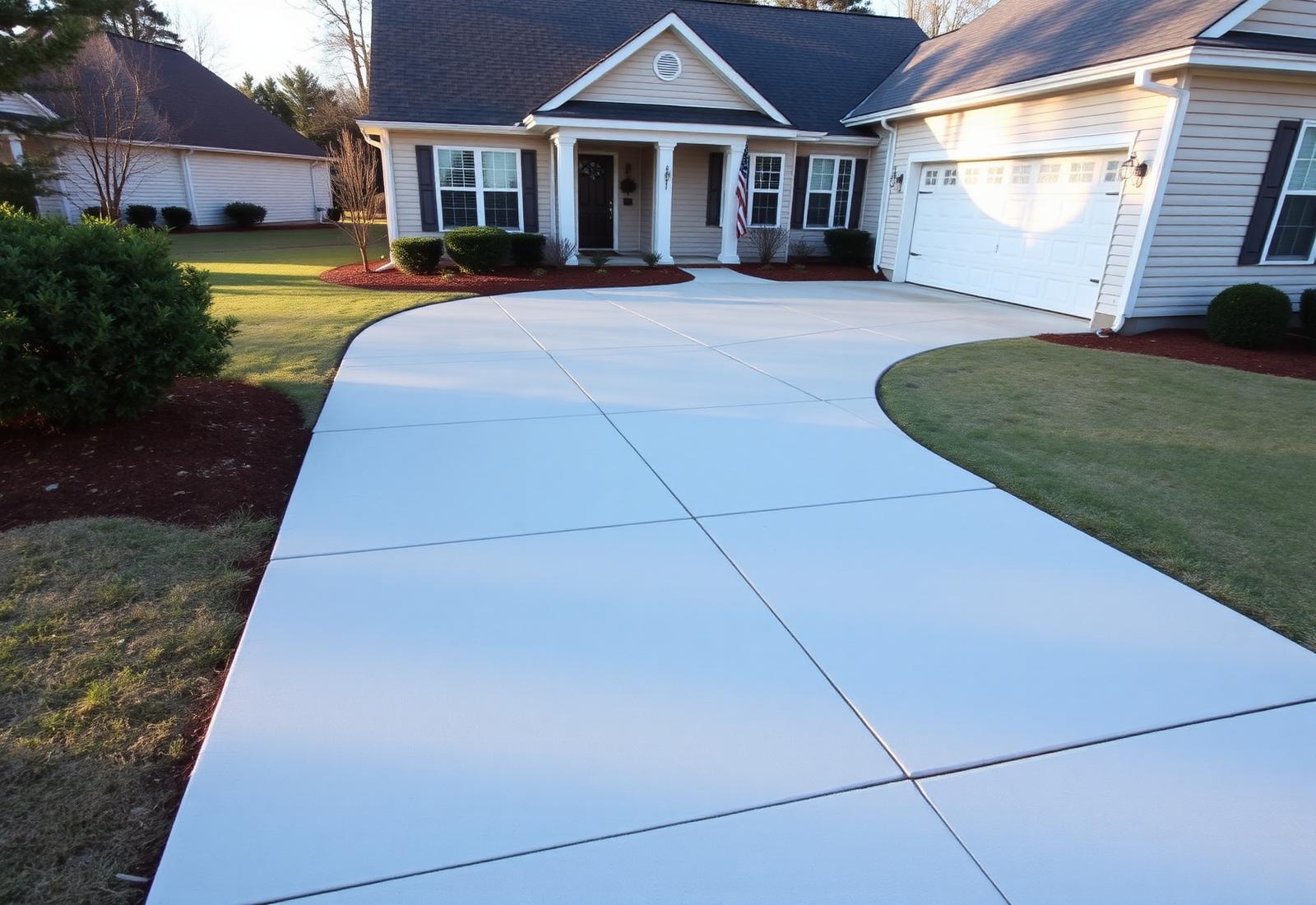
Concrete Here Lives or Dies on What's Under It
Most of Richmond County's uplands are heavy red clay. Clay holds water, swells when it's wet, then shrinks and pulls apart through a dry stretch in July. Slabs poured straight onto undisturbed clay with no thought given to moisture will eventually telegraph that movement — a corner drops, a joint opens, a walkway panel tips toward the house. Drop down toward the Savannah River, though, and the picture flips: sandier soil, a shallower water table, and back yards in the low spots off Rocky Creek or Butler Creek that stay soft for days after a storm.
So the first questions on an Augusta job are rarely about concrete at all. Where does water go when it leaves your roof? Has anything been filled or regraded back here? Is there a downspout dumping ten feet from the pour? Those answers decide the base — how much of the clay comes out, what replaces it, how it's compacted, and where the slab needs to slope.
Augusta averages somewhere around 45 inches of rain a year, and a good bit of it arrives in short, heavy summer downpours. Concrete that sheds that water cleanly lasts. Concrete that ponds it does not.
Ground conditions worth mentioning when you call
- • Standing water or a soft spot that lingers after rain
- • Fill dirt, an old pool, or a removed structure in the area
- • Existing concrete that has already settled or cracked
- • Large trees — water oaks and pines near the pour line
- • Downspouts or a sump discharge near the project
- • A crawlspace that stays damp under the house
None of this is a disqualifier. It just changes the prep, and prep is where the estimate really comes from.
What We Pour Around Augusta
Flatwork and pads for homes across Richmond County, plus commercial work on sites that have to keep operating while it happens.
Driveways
New pours, tear-out and replacement, apron repairs, and extra parking off a narrow city driveway.
Learn more →Patios
Back-yard slabs sized for shade, a grill, and the reality of an Augusta August.
Learn more →Slabs & Pads
Shed bases, workshop floors, generator and mini-split pads.
Learn more →Foundations
Footings and support slabs planned against your drawings and the ground you actually have.
Learn more →Sidewalks & Walkways
Front walks, side-yard paths, and replacing the two panels the oak roots lifted.
Learn more →Repair
Cracking, settlement, spalled surfaces, and sections that have quietly dropped an inch.
Learn more →Commercial
Pads, walk sections, and dock-area repairs on sites that cannot close for a week.
Learn more →What It Costs
The variables that actually move a concrete number up or down.
Learn more →Pouring Through an Augusta Summer
The CSRA is humid subtropical: long, hot summers with afternoon highs in the 90s and plenty of days that flirt with 100, and short winters that only occasionally freeze. That climate is generous with the calendar and unforgiving with the clock.
In July and August, fresh concrete stiffens fast. Truck-to-finish time shrinks, so hot-weather pours get scheduled early in the morning rather than at one in the afternoon, and finishing crews are sized to the slab instead of the other way around. Curing gets attention too — surface moisture matters more when the sun is cooking the top of a slab while the bottom is still plastic.
Then there's the pop-up thunderstorm problem. A slab finished at noon and rained on at three can end up with a washed, chalky surface. Radar gets watched, and sometimes the honest answer is that tomorrow is a better day than today. Winter is the easier season here for anything large, though a hard frost overnight still pushes a start time back a few hours.
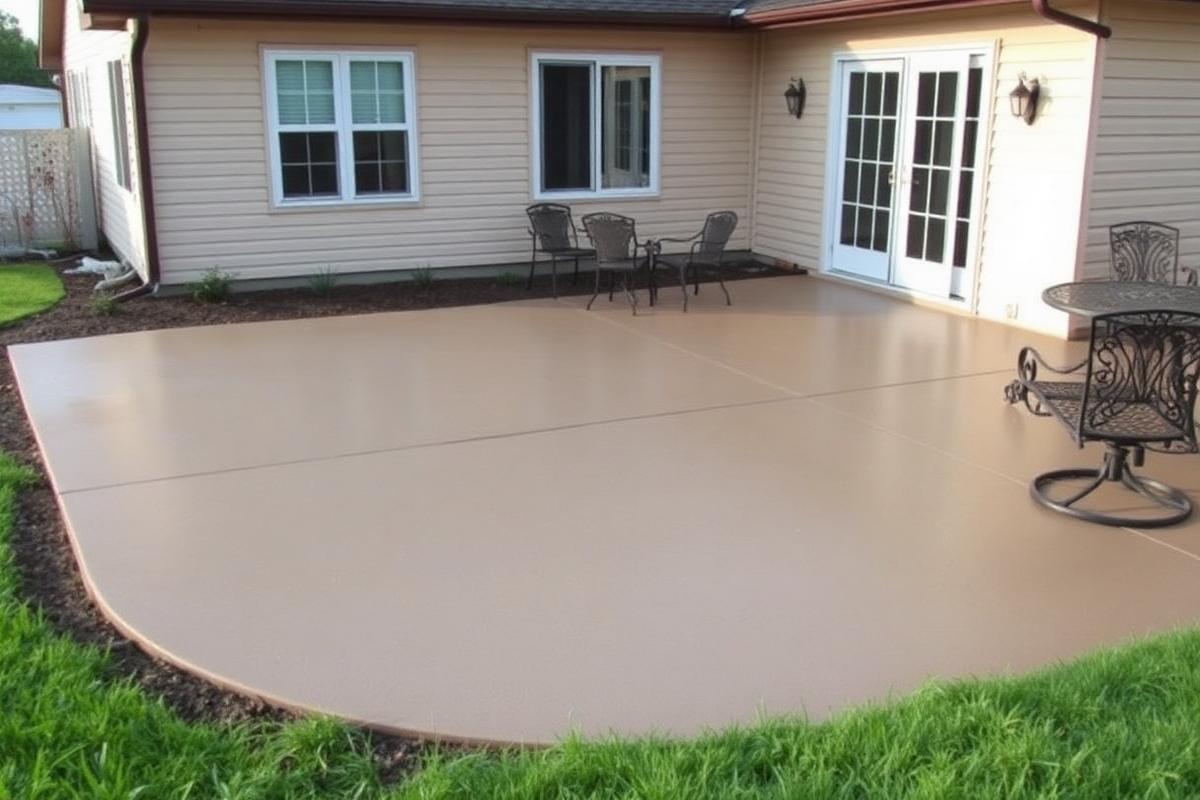
Different Parts of Town, Different Concrete Problems
A 1920s bungalow in Summerville and a 2018 build in Grovetown almost never need the same thing, even when the homeowner describes the job the same way.
Olde Town, Harrisburg & downtown
Narrow lots, alley access, and driveways poured decades ago at four inches or less over whatever was there. Tear-out is often hand-fed because a truck can't get past the house. Historic-district properties can carry extra review, so it's worth confirming before anything is broken out.
Summerville & the Hill
Mature oaks and long-established grades. Roots lift walk panels and driveway edges; the fix is usually a section replacement with the root situation addressed rather than a full tear-out. Steep front-yard slopes make walkway layout the real design question.
West Augusta & National Hills
Mid-century slabs reaching the end of a normal service life — spalling surfaces, wide joints, aprons pulling away from the street. Plenty of these are good candidates for replacement paired with a drainage correction that was never right to begin with.
South Augusta & Hephzibah
Larger lots, more detached shops and sheds, and more equipment pads. Access is usually easy; the constraint is often getting a truck across a soft yard without leaving ruts, which affects staging more than price.
Martinez, Evans & Columbia County
Newer construction where the subdivision grading is only a few years old. Backfill around the house is still consolidating, and patios poured tight to the foundation need real thought about slope and expansion joints. HOA covenants sometimes have a say in finish and footprint.
Low ground near the river and creeks
Properties in the river plain and along creek corridors deal with a shallow water table. Saturated subgrade doesn't compact and won't stay put once it's loaded. On those sites, base depth, drainage routing, and where the slab daylights matter more than any other decision.
Not sure which bucket your property falls into? See the areas covered.
From Your Phone Call to a Finished Slab
Nothing exotic here — but knowing the sequence makes the first conversation shorter and the estimate more accurate.
- 1
Tell us what and where
Project type, the neighborhood, and roughly how big. "Twelve by sixteen patio off the back door in Evans" is plenty to start.
- 2
Talk about water and access
Where rain currently goes, whether the yard holds it, and whether a truck can reach the pour or the concrete has to be buggied around the house.
- 3
Look at the site
Some jobs are settled with photos and a tape measure. Anything involving grade changes, existing settlement, or a foundation gets looked at in person.
- 4
Review a written scope
Tear-out, base work, thickness, reinforcement, joint layout, and finish — spelled out, so you know what the number covers and what it doesn't.
- 5
Book around the weather
A date gets set with the forecast in mind, and it may shift. Concrete is one of the few trades where pushing a day is the responsible call, not a delay.
Permitting and right-of-way rules vary — anything touching a public sidewalk or a street apron should be checked against current Richmond County or Columbia County requirements before work starts.
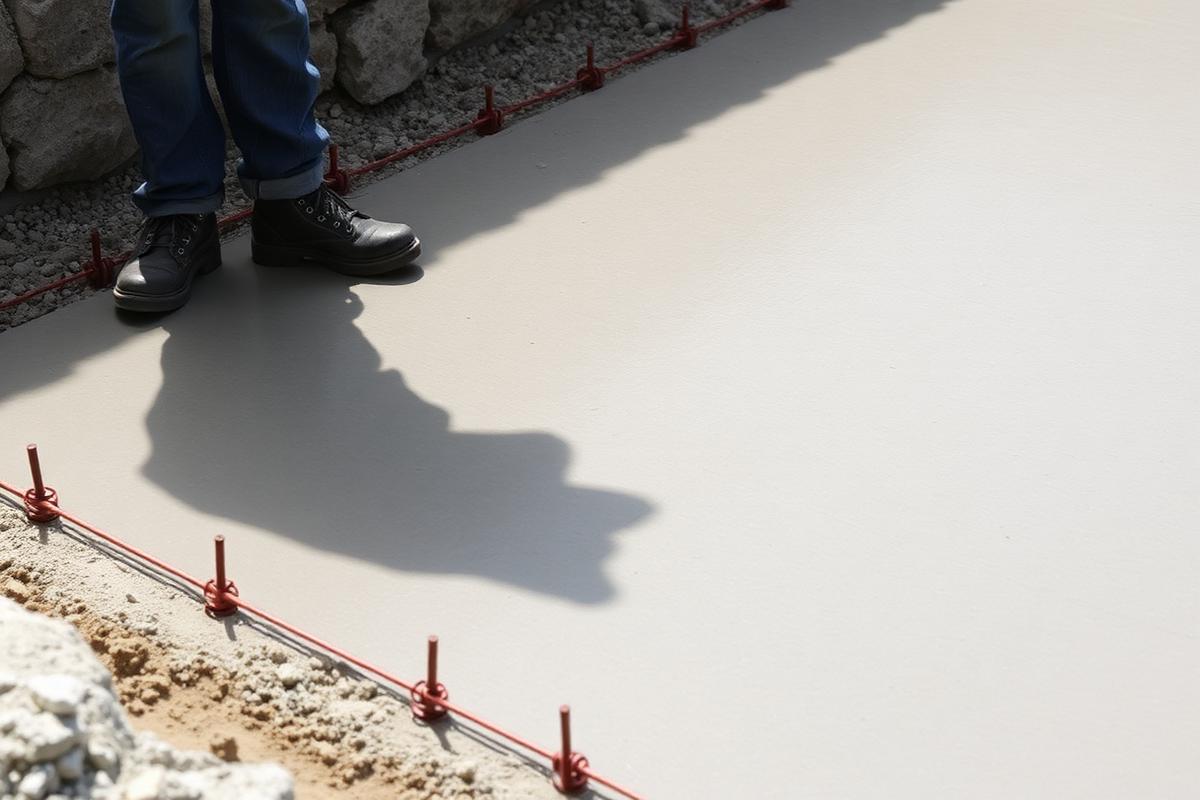
Commercial Work Around the CSRA
Commercial concrete in Augusta usually comes with a constraint that has nothing to do with concrete: a medical office off Wheeler Road that can't lose its entrance, a Washington Road retail pad that has to stay open through the weekend, a plant near the river with a shift schedule that decides when a pad can be closed off.
- • Dumpster, generator, and equipment pads
- • Walkway and ADA-related section replacement
- • Damaged bay and dock-area repairs
- • Phased pours that keep access open
- • Night and weekend staging when the site requires it
Reading Before You Commit
Written for homeowners here, with local soil, weather, and scheduling in mind.
Concrete Contractor and Project FAQs for Augusta, GA
Property owners often have questions about concrete quantities, slab planning, project costs, hiring a contractor, and the difference between repair and replacement. The answers below provide general guidance. Final recommendations, quantities, pricing, and project requirements depend on the property and proposed scope.
Concrete Cost and Quantity Questions
How much is a yard of concrete in Augusta, GA?
How much should a 20-by-20-foot concrete slab cost?
How much does it cost to pour a 24-by-24-foot concrete slab?
How much does a 40-by-60-foot concrete slab cost?
How much does a 30-by-30-foot concrete slab cost?
How much is a two-yard truck of concrete?
How much does a concrete contractor charge per yard?
How do concrete contractors calculate project costs?
Concrete Slab and Installation Questions
What is the 4-2-1 rule for concrete?
What is the 90-minute rule for concrete?
Is it cheaper to mix your own concrete or have it delivered?
Does a four-inch concrete slab need rebar?
Will new concrete stick to old concrete?
What is the job called when someone pours concrete?
Hiring a Concrete Contractor in Augusta
What should I ask a concrete contractor?
How can I find a reliable concrete contractor?
What are red flags when hiring a concrete contractor?
What should I avoid telling a contractor?
Can concrete contractor pricing be negotiated?
What is the cheapest way to complete a concrete project?
Concrete Contractor or Handyman?
Can a handyman do concrete work?
Is it better to hire a handyman or a concrete contractor?
What is a fair hourly price for a handyman?
Is it illegal to pay a handyman in cash?
Can damaged concrete be repaired instead of replaced?
What information is needed for a concrete estimate?
How long should concrete cure before it is used?
Talk Through Your Augusta Concrete Project
Tell us the neighborhood, rough dimensions, what the surface has to carry, and what the yard does when it rains. That's usually enough to give you a straight answer about scope and next steps.